
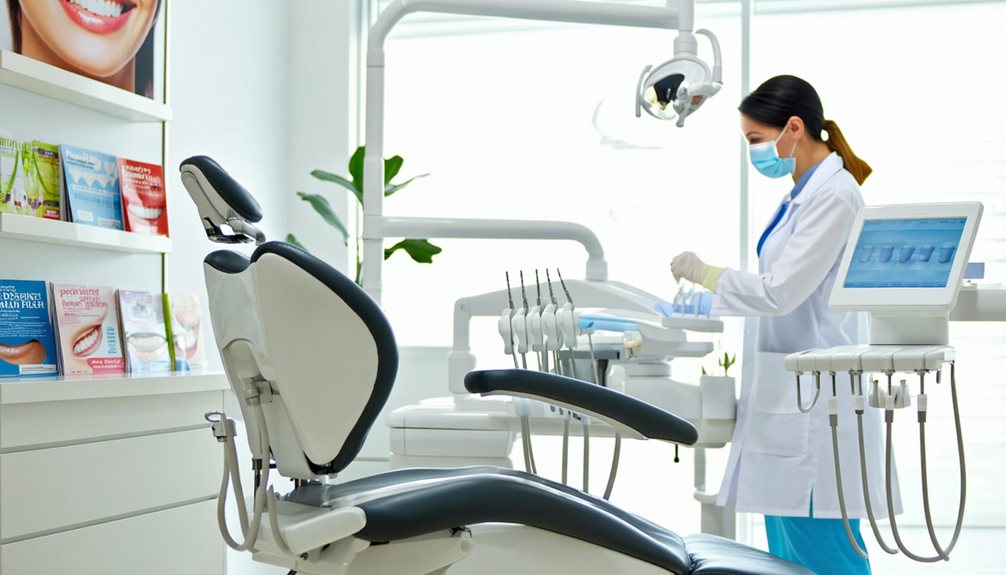
Selecting an appropriate preventive dental plan involves evaluating several key factors. First, assess the coverage options, guaranteeing they meet your dental care needs without exceeding desired cost levels. Next, consider networks to guarantee easy access to reputable dentists. A careful analysis of total expenses, such as premiums and out-of-pocket costs, is essential, along with understanding the benefits offered. Verify preventive services like cleanings and check-ups are adequately covered for ongoing oral health maintenance. Finally, scrutinize customer reviews to gauge satisfaction and service reliability. For an in-depth exploration of optimizing your choice in preventive dental plans, further insight is available.
Evaluate Coverage Options
When considering preventive dental plans, evaluating coverage options is a critical step that demands careful attention to detail. This process involves a thorough assessment of the plan’s coverage limits and premium costs, both of which are pivotal in determining the value and suitability of the plan for your specific needs.
Coverage limits define the maximum benefits payable by the plan, impacting the scope of routine services such as cleanings, exams, and X-rays. It is essential to verify these limits align with your dental care requirements, allowing for ideal oral health maintenance without unexpected expenses.
Premium costs, on the other hand, represent the recurring financial commitment you will undertake when enrolling in a preventive dental plan. A balance must be struck between affordability and the level of coverage offered, guaranteeing that the investment in preventive care is both effective and economically sound.
As dental technology evolves, innovative plan structures may emerge, offering alternative pricing models or enhanced benefits. Consequently, a forward-thinking approach is advisable, staying informed on industry trends and advancements.
Consider Network Dentists
Evaluating network dentists is a crucial aspect of selecting a preventive dental plan, as it directly influences the accessibility and quality of dental care. A thorough understanding of network availability is important, as it determines the range of dentists accessible within a plan. A broader network can provide greater flexibility and convenience, enabling patients to select practitioners who align with their specific needs and preferences.
When reviewing network availability, consider the geographical distribution of participating dentists. This guarantees that dental care is accessible without substantial travel, effectively integrating into daily routines.
Additionally, it is critical to investigate the dentist reputation within the network. This involves scrutinizing credentials, experience, and patient reviews to confirm alignment with personal standards of care. High-quality dental care stems from practitioners who are respected in their field and demonstrate a commitment to ongoing education and advanced techniques.
Innovative dental plans often emphasize a dynamic network of esteemed practitioners, assuring that patients receive cutting-edge care.
Analyze Cost and Benefits
Evaluating the cost and benefits of preventive dental plans requires a meticulous approach, as financial considerations and coverage options play a vital role in their selection. Conducting a thorough cost analysis is fundamental to discern the financial commitment involved, including monthly premiums, deductibles, and out-of-pocket expenses.
Prospective policyholders should aim to understand the total financial landscape, scrutinizing any hidden fees or limitations that might affect the overall cost-effectiveness of the plan.
In parallel, a benefit comparison must be executed to guarantee the selected dental plan aligns with individual or family needs. This involves examining the scope of coverage, such as the inclusion of routine exams, cleanings, and X-rays, as well as any additional preventive services.
Understanding these benefits can provide a clear picture of the value proposition offered by the plan.
For those seeking innovation in dental care solutions, it is essential to reflect on how a plan integrates advanced preventive techniques and technologies, potentially enhancing long-term oral health outcomes.
Check for Preventive Services
Evaluating the availability of preventive services within a dental plan is essential for guaranteeing thorough oral health maintenance.
Preventive care is a cornerstone of dental hygiene and encompasses routine procedures designed to avert the onset of dental diseases. These services typically include regular check-ups, professional cleanings, fluoride treatments, and sealants.By focusing on these fundamental aspects, a dental plan that includes extensive preventive services can greatly reduce the likelihood of more complex and costly dental issues arising in the future.
When selecting a preventive dental plan, it is vital to assess the scope and frequency of the covered preventive services. Innovative plans often offer personalized preventive care regimens tailored to individual risk factors, incorporating advanced diagnostic tools such as digital X-rays and intraoral cameras.
These technologies enhance the dentist’s ability to detect early signs of dental problems, facilitating proactive management and intervention.
Furthermore, a robust preventive dental plan should also provide coverage for educational resources to promote peak dental hygiene practices. This might include access to expert advice on brushing techniques, nutritional guidance, and lifestyle modifications.
Read Customer Reviews
Reading customer reviews is a critical step in selecting an appropriate preventive dental plan. Engaging in a thorough rating analysis allows potential policyholders to gain insights from real-life experiences, thereby enabling informed decision-making.
Customer feedback serves as a valuable resource, offering a glimpse into the reliability and efficacy of various plans. By examining these reviews, one can identify common issues, assess the quality of customer service, and gauge overall satisfaction levels.
For a more nuanced understanding, consider the following aspects when analyzing reviews:
-
Comprehensive Coverage: Look for comments that discuss the scope of preventive services covered, such as cleanings, exams, and fluoride treatments.
-
Network Accessibility: Evaluate feedback regarding the availability and convenience of in-network dental professionals.
-
Claim Processing Efficiency: Pay attention to customer experiences related to the ease and speed of claim submissions and reimbursements.
-
Customer Support Quality: Consider reviews that highlight the responsiveness and helpfulness of the plan’s customer service team.
-
Plan Affordability: Analyze discussions on the cost-effectiveness of the plan in relation to its benefits.
Leveraging customer feedback and conducting a detailed rating analysis can reveal the strengths and weaknesses of preventive dental plans, guiding you towards a solution that aligns with your needs and expectations.
Frequently Asked Questions
What Age Groups Are Eligible for Preventive Dental Plans?
Preventive dental plans typically cater to a wide range of age groups, offering childhood coverage from early years to adolescent care. Additionally, senior options are available, focusing on maintaining oral health and preventing age-related dental issues.
Can I Switch Plans Mid-Year if Needed?
Switching preventive dental plans mid-year depends on the plan’s flexibility and specific terms. Some providers allow mid-year changes, accommodating evolving needs. It’s essential to review your plan’s policy on mid-year adjustments to guarantee seamless shifts.
Are There Any Waiting Periods Before Coverage Begins?
When evaluating dental plans, it is essential to understand potential waiting periods before coverage benefits commence. These periods can vary considerably by provider and plan, impacting immediate access to preventive services and overall consumer satisfaction.
How Do I Enroll My Family Members in a Plan?
To enroll family members in a preventive dental plan, explore various family plan options offered by providers. Review the specific enrollment process, typically available online or through an agent, to guarantee extensive coverage for all family members.
What Happens if I Move to a Different State?
Upon relocating to a different state, it is vital to review your preventive dental plan’s coverage options. State regulations may affect plan availability and benefits, necessitating a thorough evaluation to guarantee continued access to desired dental services.
Conclusion
In summary, selecting an appropriate preventive dental plan necessitates an all-encompassing evaluation of coverage options, ensuring that vital services are included. It is imperative to evaluate the network of dentists to maximize convenience and accessibility. A thorough analysis of the costs and benefits will facilitate informed decision-making. Verifying the inclusion of preventive services is essential for maintaining long-term oral health. Finally, consulting customer reviews provides valuable insights into the plan’s effectiveness and consumer satisfaction, ensuring ideal choice.

